
Wardrobe Planning: How to Create a Stylish and Functional Closet
Table of Contents
Wardrobe planning is a great way to maximize the use of your closet while keeping your personal style clear and easy to maintain. It involves taking stock of your clothes, deciding what is necessary and what can be eliminated, and organizing the pieces you already have.
This process can help you create a functional wardrobe that is easier to manage every day. The goal is not to own more clothes or more organizers. It is to make better use of what you already have, choose storage solutions that support your habits, and create a closet that makes getting dressed simpler.
Best wardrobe planning products at a glance
| Product | Best For | Why It Helps | Shop |
|---|---|---|---|
| VIPEK Heavy-Duty Freestanding Closet System | Full wardrobe planning | Adds hanging space, shelves, and structure for clothes, bags, shoes, and storage bins. | Check price on Amazon |
| Univivi 6-Shelf Hanging Closet Organizer | Folded clothes and accessories | Turns hanging-rod space into shelves for sweaters, jeans, bags, and daily outfit pieces. | Check price on Amazon |
| SpaceAid Adjustable Drawer Dividers | Drawer organization | Creates sections for socks, underwear, accessories, activewear, and smaller wardrobe items. | Check price on Amazon |
| Acrylic Shelf Dividers | Sweaters, bags, and folded clothes | Keeps open shelves separated so stacks do not collapse into each other. | Check price on Amazon |
| Aokeyee Foldable Shoe Organizer | Shoe storage | Keeps shoes separated, stacked, and easier to access instead of scattered on the closet floor. | Check price on Amazon |
| KitHero Under-Bed Storage Organizer | Seasonal wardrobe storage | Moves off-season clothing and linens out of the main closet while keeping them protected. | Check price on Amazon |
Wadrobe planning: step-by-step
1. Take stock of what you own
When wardrobe planning, start by gathering all of the clothing items you own and laying them out in a way that makes sense. Look at each item and decide which pieces are necessary for your lifestyle and which can be eliminated.
Items you don’t wear, pieces that no longer fit, and clothing that feels outdated for your current lifestyle should be donated, sold, repaired, or recycled. This step matters because a functional closet starts with clarity. If you keep everything, your wardrobe becomes harder to manage.
Ask yourself:
- Do I wear this regularly?
- Does it fit my current lifestyle?
- Is it comfortable?
- Can I style it with other items I own?
- Would I buy it again today?
Once you’ve gone through your clothing, you can create a plan to organize the pieces you’ve decided to keep.
2. Create a clear closet structure
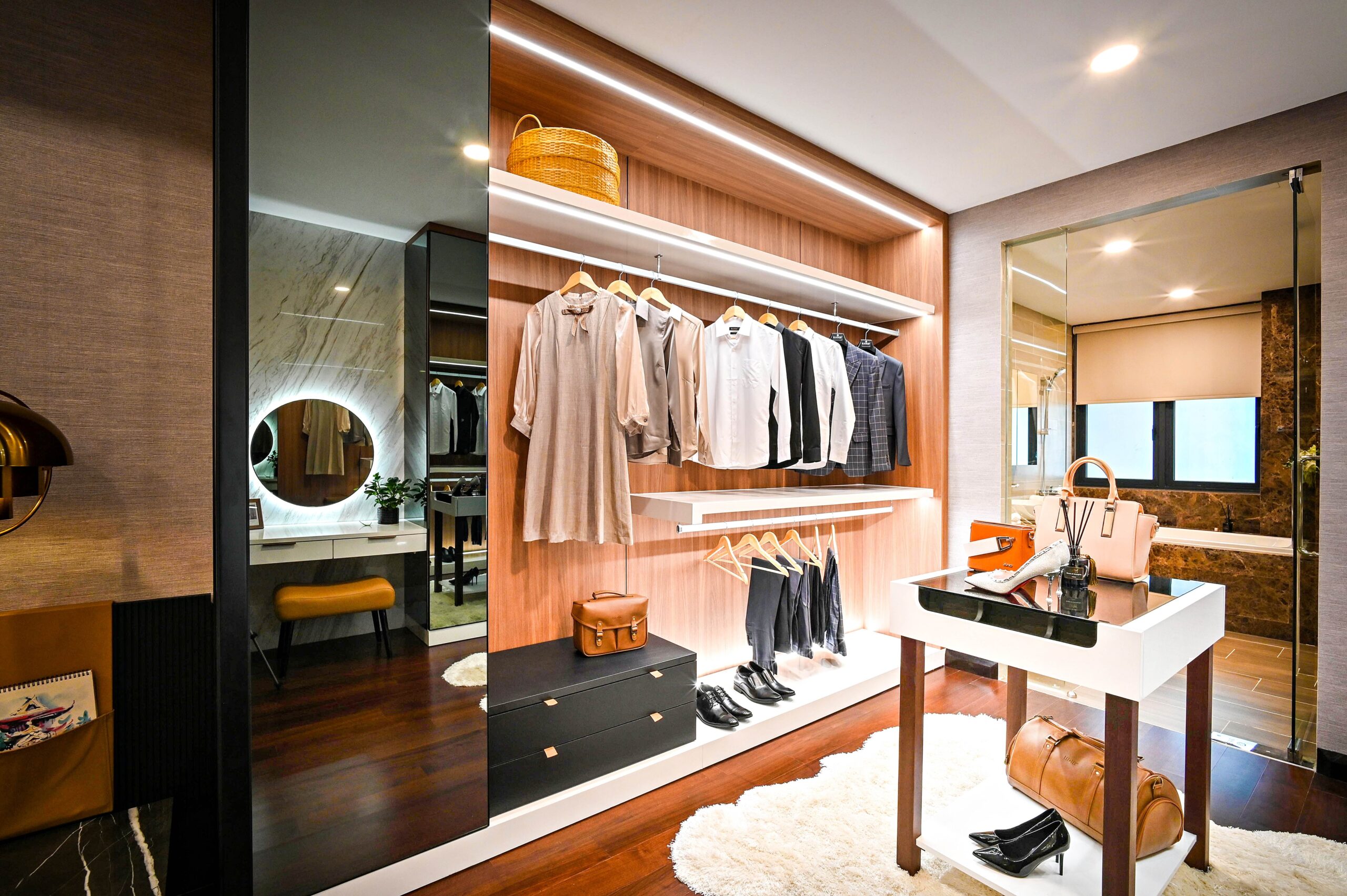
Organizing your wardrobe can involve a variety of different strategies. You may want to group items by categories, such as tops, bottoms, dresses, and outerwear. You can also create outfit sections to make getting dressed easier and faster.
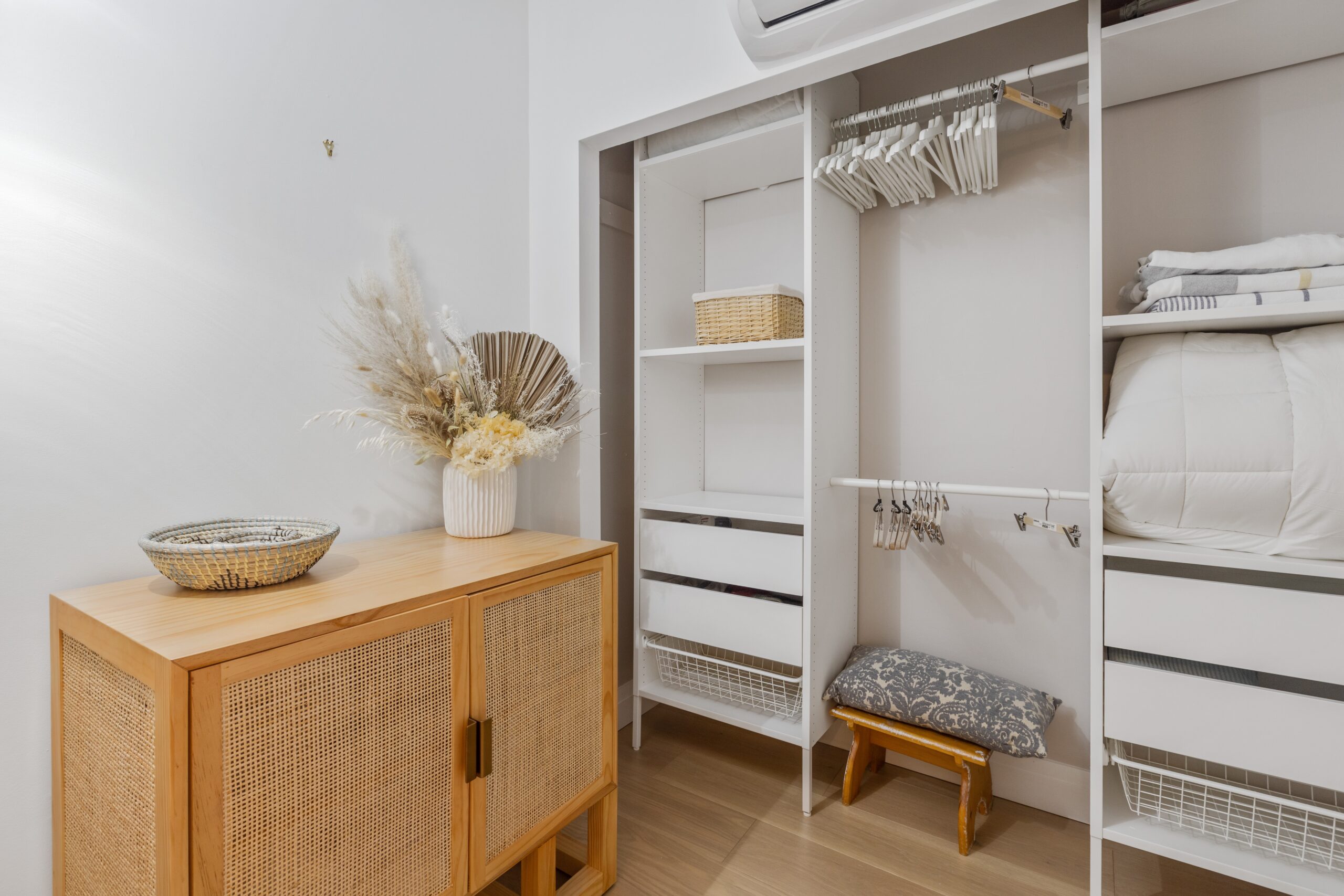
If your current closet does not have enough shelves, rods, or storage zones, a freestanding system can help you create structure without a full built-in renovation.
Best for Full Wardrobe Planning: VIPEK Heavy-Duty Freestanding Closet System
The VIPEK Heavy-Duty Freestanding Closet System is useful if your closet needs more structure. It adds hanging rods, shelves, and open storage space for clothes, bags, shoes, folded items, and storage bins.
This is especially helpful if you are building a more intentional wardrobe but your current closet has only one rod or limited shelving. It gives every category a clearer place to live.
3. Group clothes by category and outfit
Once you know what you’re keeping, group your clothes by category. Keep tops together, bottoms together, dresses together, and outerwear together. You can also create outfit groups if you like getting dressed quickly in the morning.
For example, you may want to group a sweater and skirt together, keep workwear in one section, or place your most-used basics in the easiest-to-reach area.
A hanging organizer can be helpful here because it gives folded clothes and outfit pieces a dedicated zone.
Best for Folded Clothes and Outfit Planning: Univivi 6-Shelf Hanging Closet Organizer
The Univivi 6-Shelf Hanging Closet Organizer is useful for sweaters, jeans, folded tops, handbags, scarves, and outfit planning. It turns hanging-rod space into open shelves, which is helpful if you have more folded clothes than drawer space.
You can also use each shelf for outfit groups, weekly outfit planning, or wardrobe categories you reach for often.
4. Use drawer dividers and shelf dividers
You can also make sure that all your items fit in your closet by investing in storage solutions like hangers, shelves, drawers, drawer dividers, and organizers.
Drawer dividers are especially useful for small items such as socks, underwear, belts, scarves, workout pieces, and accessories. Shelf dividers are better for folded sweaters, jeans, handbags, and stacked clothing.
Best for Drawers: SpaceAid Adjustable Drawer Dividers
The SpaceAid Adjustable Drawer Dividers help turn messy drawers into clear sections. They work well for socks, underwear, belts, scarves, activewear, and smaller folded wardrobe items.
This makes wardrobe planning easier because small items stay visible instead of disappearing into one mixed drawer.
Best for Sweaters and Handbags: Acrylic Shelf Dividers
Acrylic shelf dividers are useful for keeping sweaters, jeans, handbags, towels, and folded clothing upright and separated. They prevent stacks from collapsing into each other and make open closet shelves easier to maintain.
This is a simple way to make shelves feel more structured without adding bulky bins.
5. Plan your colors and outfit formulas

When wardrobe planning, consider the colors and styles of your pieces. You can create a minimalist wardrobe with neutral colors and timeless pieces, or you may want to incorporate bright colors and patterns.
The most important thing is that your chosen pieces are versatile and can be layered for different occasions. A helpful approach is to build outfit formulas, such as:
- jeans + knitwear + coat
- trousers + blouse + blazer
- dress + cardigan + boots
- skirt + sweater + belt
- basics + statement accessory
This makes getting dressed faster because you are not starting from zero every morning.
6. Organize shoes and accessories
Finally, don’t forget to organize accessories. Jewelry, hats, scarves, belts, bags, and shoes can add interest to an outfit, but they can also create clutter quickly.
To keep your wardrobe clutter-free, use jewelry organizers, hat hangers, belt hangers, scarf organizers, shoe storage, and similar closet organizers. Accessories are easier to use when you can actually see them.
Best for Shoes: Aokeyee Foldable Shoe Organizer
The Aokeyee Foldable Shoe Organizer helps keep shoes separated, stacked, and easier to access. It is useful if shoes usually end up scattered across the closet floor or hidden under hanging clothes.
Clear shoe storage also makes outfit planning easier because you can quickly see which pairs work with your clothing.
7. Store seasonal items outside the main closet zone
A functional wardrobe should keep daily-use pieces easy to reach. Off-season clothes, spare bedding, and rarely worn items do not need to take up the best closet space.
Under-bed storage is useful for items you want to keep but do not need every day.
Best for Seasonal Clothing: KitHero Under-Bed Storage Organizer
The KitHero Under-Bed Storage Organizer is useful for seasonal clothes, spare linens, blankets, and wardrobe items you do not use every week. It helps move overflow out of the main closet while keeping everything protected and accessible.
This is especially helpful if your closet is small and you want your everyday wardrobe to feel lighter and easier to manage.
Need a bit of inspiration? Check out this in-depth video on wardrobe planning:
Final thoughts
Wardrobe planning can be a fun and rewarding process. It can help you maximize the use of your wardrobe and create a functional, stylish space that works for your daily routine.
Start by removing what no longer fits your life, then organize what remains into clear categories. Add storage only where it solves a real problem: too little hanging space, messy drawers, collapsing shelves, scattered shoes, or seasonal overflow.
With a little effort and the right closet organizers, you can create a wardrobe that is easier to manage and helps you look your best.
FAQs about wardrobe planning
What is wardrobe planning?
Wardrobe planning is the process of reviewing your clothes, removing items you no longer wear, organizing what remains, and creating a closet system that supports your lifestyle and style preferences.
How do I start planning my wardrobe?
Start by taking everything out and sorting your clothing by category. Decide what to keep, donate, sell, repair, or recycle. Then organize the items you keep by type, color, season, or outfit use.
What closet organizers are most useful for wardrobe planning?
The most useful closet organizers are a closet system, hanging shelves, drawer dividers, shelf dividers, shoe organizers, and under-bed storage. Choose based on your biggest problem, not just what looks good.
How do I make my wardrobe more functional?
Keep daily-use clothes easy to reach, group similar items together, store seasonal pieces elsewhere, and make accessories visible. A functional wardrobe should make getting dressed faster, not more complicated.
How often should I reorganize my wardrobe?
A light wardrobe reset every season is usually enough. Review what you wore, what you ignored, what needs repair, and what should be stored away for the next season.
Related reads:
- Shoe Storage Cabinet: 5 Long-Life Solutions from Amazon
- Best Wooden Hangers: 5 Premium Sets (Buy Once)
- Space-Saving Interior Ideas: Multi-Functional Furniture for Compact Living
- Sustainable Wardrobe Staples Available on Amazon
- How to Design a Dream Walk-In Closet for Lasting Organization
- The Ultimate Guide to Organize Kitchen Cabinets
You May Also Like
Revolutionize Your Home: Top Smart Storage Solutions for Effortless Organization
5 Best Closet Organizers to Maximize Your Storage Space