

5 Eco-Friendly Appliances That Save Energy & Money: Fridge, Washer & More
Table of Contents
The average household spends a significant portion of its utility bills on appliances that are decades old, designed before efficiency was a priority. Modern replacements (even mid-range ones) can reduce energy and water consumption by 30–50% compared to older units, with the savings compounding over the lifetime of the appliance.
This guide covers five categories where the upgrade pays for itself: refrigeration, laundry, cooking, dishwashing, and climate control. Every product recommended is available on Amazon, ENERGY STAR certified where applicable, and chosen for long-term value rather than just the lowest upfront cost. The goal is to buy once, buy well, and stop replacing things every few years.
⭐ Our Top Pick
Google Nest Learning Thermostat (4th Gen)
The highest return on investment of any eco-friendly home upgrade
Of all five categories in this guide, a smart thermostat delivers the fastest payback period. Heating and cooling typically account for 40–50% of a home’s energy bill — and a thermostat that learns your schedule, adjusts automatically when you leave, and can be controlled remotely consistently reduces that by 10–15%. Google reports that Nest users save an average of 10–12% on heating and 15% on cooling annually. At the current price point, most households recoup the cost within the first year.
Check price on Amazon →All 5 Appliances at a Glance
| Product | Category | Certification | Key Eco Feature | Price |
|---|---|---|---|---|
| Google Nest Thermostat ⭐ | Climate control | ENERGY STAR | Self-scheduling, auto away, remote control | $$$ |
| Samsung Family Hub Refrigerator | Refrigeration | ENERGY STAR | Up to 40% less energy than older models | $$$$ |
| LG Front-Load Washer | Laundry | ENERGY STAR | Smart sensors adjust water per load size | $$$$ |
| Duxtop Induction Cooktop | Cooking | — | ~90% energy efficiency vs ~40% gas | $$ |
| Bosch 300 Series Dishwasher | Dishwashing | ENERGY STAR | Uses less water per cycle than hand washing | $$$$ |
Top 5 Eco-Friendly Appliances for a Greener Home
1. Energy-Efficient Refrigerators
Refrigerators run 24 hours a day, 365 days a year – which makes them one of the highest-impact appliances to upgrade for energy efficiency. Modern ENERGY STAR-certified refrigerators consume up to 40% less electricity than models from 10–15 years ago, which translates directly to lower electricity bills every single month.
The Samsung Family Hub goes further with advanced multi-airflow cooling that maintains more consistent temperatures throughout the fridge, reducing the energy wasted on temperature fluctuations. Built-in cameras let you check fridge contents from your phone while shopping — a small feature that meaningfully reduces the number of times you buy something you already have, which reduces food waste over time.
The Family Hub’s touchscreen integrates with SmartThings and other smart home ecosystems, and the refrigerator runs diagnostics that can alert you to efficiency issues before they become expensive problems. For a high-use appliance with a 10–15 year lifespan, the efficiency gains make the investment straightforward.
Recommended Product: Samsung Family Hub Refrigerator
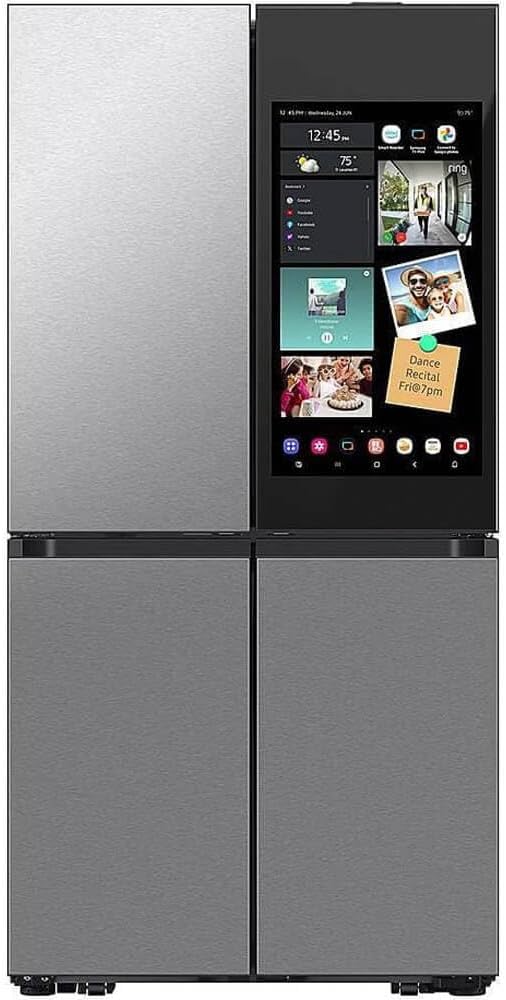
Key Features:
- ENERGY STAR Certified
- Built-in cameras to view the contents remotely
- Touchscreen with meal planning apps
- Adjustable shelving for better organization
Benefits:
- Lower electricity consumption
- Better food preservation
- Convenient access to recipes and inventory tracking
2. Front-Load Washing Machines
Top-load washing machines use significantly more water than front-load alternatives because they fill the drum to submerge clothes. Front-load machines use a tumbling action that requires far less water — typically 40–60% less per cycle — while cleaning more effectively because the drum lifts and drops clothes through the water rather than agitating them.
The LG WM4200HBA’s TurboWash technology cuts cycle time by up to 30 minutes for standard loads, which reduces energy consumption per wash. AI-powered load sensing automatically adjusts water levels based on the actual weight of the load — so a half-full drum doesn’t use the same water and energy as a full one. Steam cleaning cycles remove allergens and sanitize without additional chemicals.
The ThinQ app lets you start, stop, and monitor cycles remotely and sends maintenance alerts to extend the machine’s lifespan. For a household doing multiple loads per week, the efficiency improvements over a top-loader compound significantly over the machine’s lifetime.
Recommended Product: LG Front-Load Washer
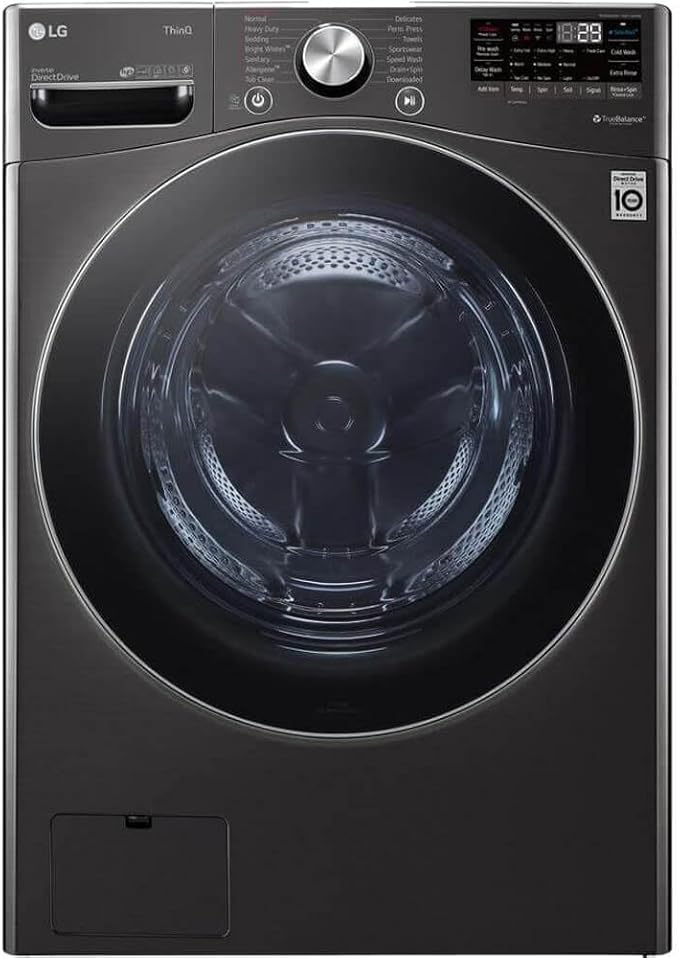
Key Features:
- ENERGY STAR Certified
- Smart ThinQ technology for remote operation
- TurboWash feature for faster cycles
- Steam cleaning options
Benefits:
- Uses less water and energy
- Customizable washing cycles
- Reduced washing time with TurboWash
3. Induction Cooktops
Gas cooktops transfer roughly 40% of their energy to the food — the rest is lost to the surrounding air, which is why gas kitchens run hot. Induction cooktops transfer approximately 90% of their energy directly to the cookware through magnetic induction, with essentially no heat loss to the surrounding surface. The cooktop itself barely warms up; only the pan gets hot.
The practical result is faster cooking, lower energy bills, and a cooler kitchen. The Duxtop Professional delivers 15 power levels and 15 temperature settings, with auto pan-detection that cuts power the moment a pan is removed from the surface. The lightweight, portable design means it can be used as a primary cooktop or as an addition to an existing setup.
For anyone using the stainless steel or ceramic pans covered elsewhere on this site, induction is the optimal cooking method — it pairs precisely and efficiently with those materials. The Duxtop is the most accessible entry point at a price that makes it easy to try before committing to a full induction range.
Recommended Product: Duxtop Induction Cooktop
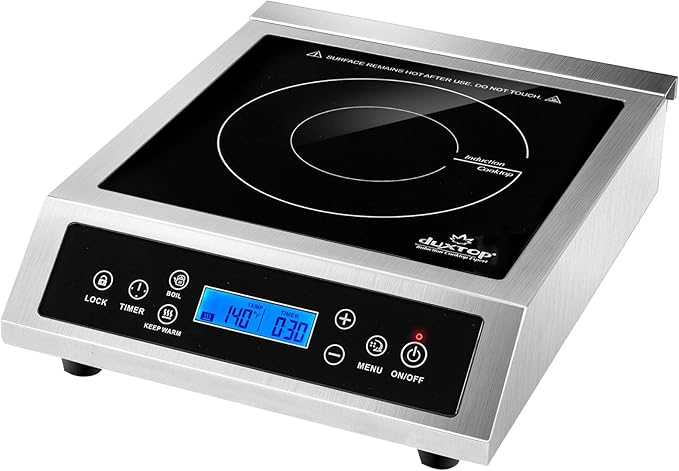
Key Features:
- 15 power levels and temperature settings
- Digital control panel
- Auto-pan detection
- Lightweight and portable
Benefits:
- Faster cooking times
- Energy-efficient heating
- Safer surface that cools quickly
4. Energy-Efficient Dishwashers
Hand washing dishes uses significantly more water than a modern dishwasher — approximately 27 gallons per session versus as little as 3 gallons for an efficient dishwasher cycle. The Bosch 300 Series is ENERGY STAR certified and uses PrecisionWash technology, which employs sensors to monitor the cleaning progress throughout the cycle and adjusts water usage and temperature accordingly.
The 44 dBa noise rating makes it genuinely quiet enough to run during the day, during dinner, or while working from home — Bosch consistently ranks as one of the quietest dishwasher brands available. The stainless steel interior resists staining and odours, and dries without a heating element (using condensation drying instead), which saves additional energy per cycle.
The third rack for cutlery and small items increases the effective capacity without requiring a larger machine, meaning you run fewer cycles per week, which compounds the water and energy savings further.
Recommended Product: Bosch 300 Series Dishwasher
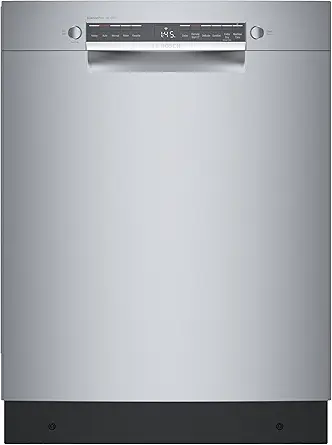
Key Features:
- ENERGY STAR Certified
- PrecisionWash technology
- Stainless steel tub for durability
- Adjustable racks for better organization
Benefits:
- Reduced water usage per cycle
- Extremely quiet operation
- Long-lasting and rust-resistant build
5. Smart Thermostats
Heating and cooling typically account for 40–50% of a home’s total energy bill — making the thermostat one of the highest-leverage efficiency improvements available. A thermostat that learns your schedule and adjusts automatically eliminates the energy wasted heating or cooling an empty home.
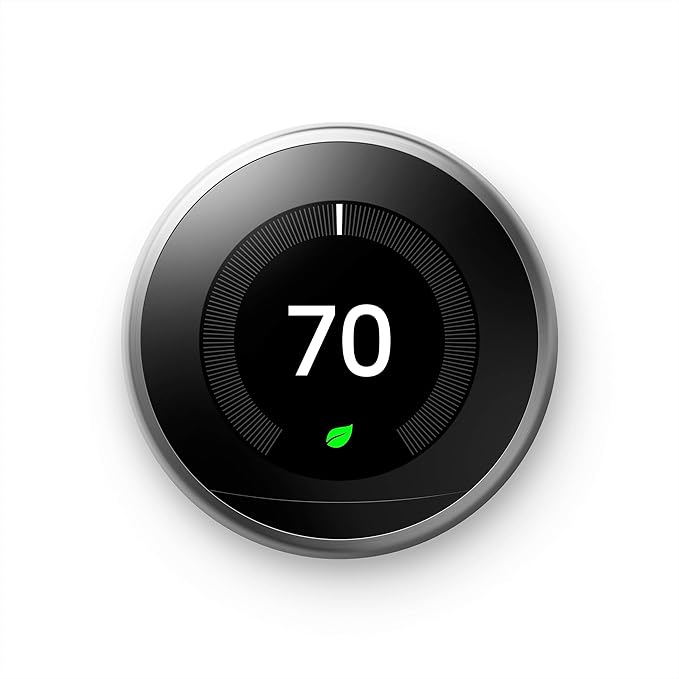
The Nest Learning Thermostat tracks when you’re home and when you leave, builds a schedule based on your actual patterns, and switches to an eco-friendly temperature automatically when the house is empty. The Energy History feature shows your daily heating and cooling usage in a format that makes it easy to identify waste. Google reports Nest users save an average of 10–12% on heating bills and 15% on cooling bills annually.
The Nest works with most forced-air HVAC systems (check compatibility on the Nest website before purchasing), integrates with Google Home, Alexa, and Apple HomeKit, and can be controlled from anywhere via the app. The payback period for most households is under 12 months.
Recommended Product: Google Nest Thermostat
Key Features:
- Auto-scheduling and energy history
- Remote control via mobile app
- Smart Home integration
- Voice control compatible
Benefits:
- Significant reduction in heating and cooling costs
- Convenient remote management
- Personalized temperature settings
How to Choose the Right Eco-Friendly Appliance
Not every upgrade makes equal sense for every household. Here’s how to prioritize:
- Start with what you use most. A refrigerator runs continuously. A washing machine runs multiple times a week. An induction cooktop is used daily. A dishwasher runs most evenings. A thermostat controls the system that accounts for the largest share of your bill. Upgrading a high-frequency appliance delivers compounding savings; upgrading a low-frequency one delivers less.
- Check the ENERGY STAR label. ENERGY STAR certification is the most reliable shortcut for comparing efficiency across brands and models. It’s not a marketing claim — it’s a verified standard set by the EPA. For refrigerators, dishwashers, and washing machines, it’s the first thing to check.
- Calculate the payback period. A more efficient appliance costs more upfront but less to run. Most energy-efficient appliances pay back the price premium within 2–5 years through utility savings, then continue saving money for the remainder of their lifespan. The thermostat is the fastest payback (often under a year); major appliances like refrigerators and washers typically pay back within 3–5 years.
- Prioritize durability. An eco-friendly appliance that lasts 15 years is more sustainable than a cheap alternative that needs replacing every 5. Bosch, LG, Samsung, and Google Nest all have strong long-term reliability records in their respective categories.
Conclusion
Every appliance on this list saves energy and water compared to its less efficient alternative — and every saving compounds over the years of daily use. The thermostat delivers the fastest return; the refrigerator and washer deliver the largest absolute savings over their lifespans; the induction cooktop and dishwasher deliver cleaner, more consistent results alongside efficiency gains.
Start with whichever upgrade makes the most sense for your situation — one well-chosen appliance is better than five mediocre ones. Buy once, buy well, and let the savings accumulate.
Related Reads
- 7 Smart Home Gadgets That Are Worth the Splurge
- Sustainable Kitchen Storage Solutions: 9 Eco-Friendly Picks
- 5 Best Stainless Steel Pans (2025): Plastic-Free & Built to Last
- 6 Best Ceramic Pans (2025): Non-Toxic, PTFE-Free & Easy to Clean
- Best Kitchen Organization Products for Fridge, Drawers, Pots & Countertops


You May Also Like

Best Pantry Cabinet Systems for Small Kitchens: 5 Space-Saving Picks

Best Kitchen Islands with Storage for Small Kitchens: 5 Space-Saving Picks