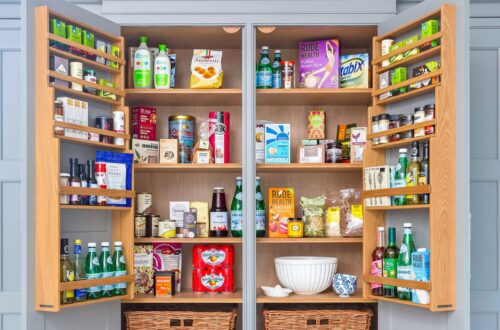
What to Do When Your Pantry Gets Out of Control
Table of Contents
Are you finding it hard to stay on top of your pantry and keep it organized? You’re not alone. It’s easy for pantries to get out of control, especially if you’re constantly adding new groceries without checking what you already have.
The good news is that you don’t need a full kitchen makeover to fix it. You need a simple reset, a few clear categories, and the right pantry organization products to make the system easier to maintain.
Here’s what to do when your pantry gets out of control.
Best products for fixing pantry chaos
| Product | Best For | Why It Helps | Shop |
|---|---|---|---|
| Chef’s Path Airtight Storage Containers | Dry goods and pantry staples | Replaces open bags and boxes with clear, stackable containers for pasta, rice, flour, cereal, and snacks. | Check price on Amazon |
| SWOMMOLY Airtight Food Storage Containers | Full pantry reset | A complete container set that helps standardize shelves and reduce packaging clutter. | Check price on Amazon |
| YouCopia Crazy Susan Turntable Organizer | Oils, sauces, jars, and pantry corners | Turns hard-to-reach shelf corners into rotating storage so nothing gets lost in the back. | Check price on Amazon |
| Mefirt Adjustable Over-the-Door Pantry Organizer | Extra pantry door storage | Adds storage for snacks, wraps, jars, packets, and spices without using shelf space. | Check price on Amazon |
| SNTD Rotating Vegetable Organizer | Produce and root vegetables | Keeps potatoes, onions, fruit, and pantry vegetables visible instead of hidden in bags. | Check price on Amazon |
What to do when your pantry gets out of control: step-by-step
1. Take inventory of what you already have
The first step is to take inventory of what you already have in your pantry. This will help you identify what items you don’t need anymore and what can be used up before buying more.
Start by sorting items into categories such as baking, canned goods, snacks, spices, grains, pasta, sauces, breakfast foods, and oils. Then, take a look at each category and decide what you can donate, use soon, or throw away if it has expired.
This step matters because an overfilled pantry is often not a storage problem at first. It is an inventory problem. Once you know what you own, it becomes much easier to create a system that actually fits your food habits.
2. Clear out the excess
Once you’ve sorted everything, remove the excess. Toss expired food, combine duplicates when it makes sense, and donate unopened items you know your household will not use.
Be honest here. If a product has been sitting untouched for months, it probably does not need to take up valuable pantry space. Clearing out the excess gives you room to organize what you actually eat.
Best for a Full Pantry Reset: SWOMMOLY Airtight Food Storage Containers
The SWOMMOLY Airtight Food Storage Containers are useful when you are resetting a pantry from scratch. Because the set includes several matching containers, it helps replace mismatched packaging with a cleaner, more consistent storage system.
This works especially well after you have decluttered and know which pantry staples you actually want to keep visible and easy to refill.
3. Organize what’s left into clear categories
Once you’ve cleared out the excess, it’s time to organize what’s left. Keep similar items together so your pantry makes sense at a glance.
For example:
- baking ingredients
- pasta, rice, and grains
- snacks
- canned goods
- breakfast items
- oils and sauces
- spices
- produce and root vegetables
Keeping categories clear helps prevent the pantry from getting messy again. When every type of food has a home, it becomes easier to put groceries away and easier to see what needs to be replaced.
Best for Dry Goods: Chef’s Path Airtight Storage Containers
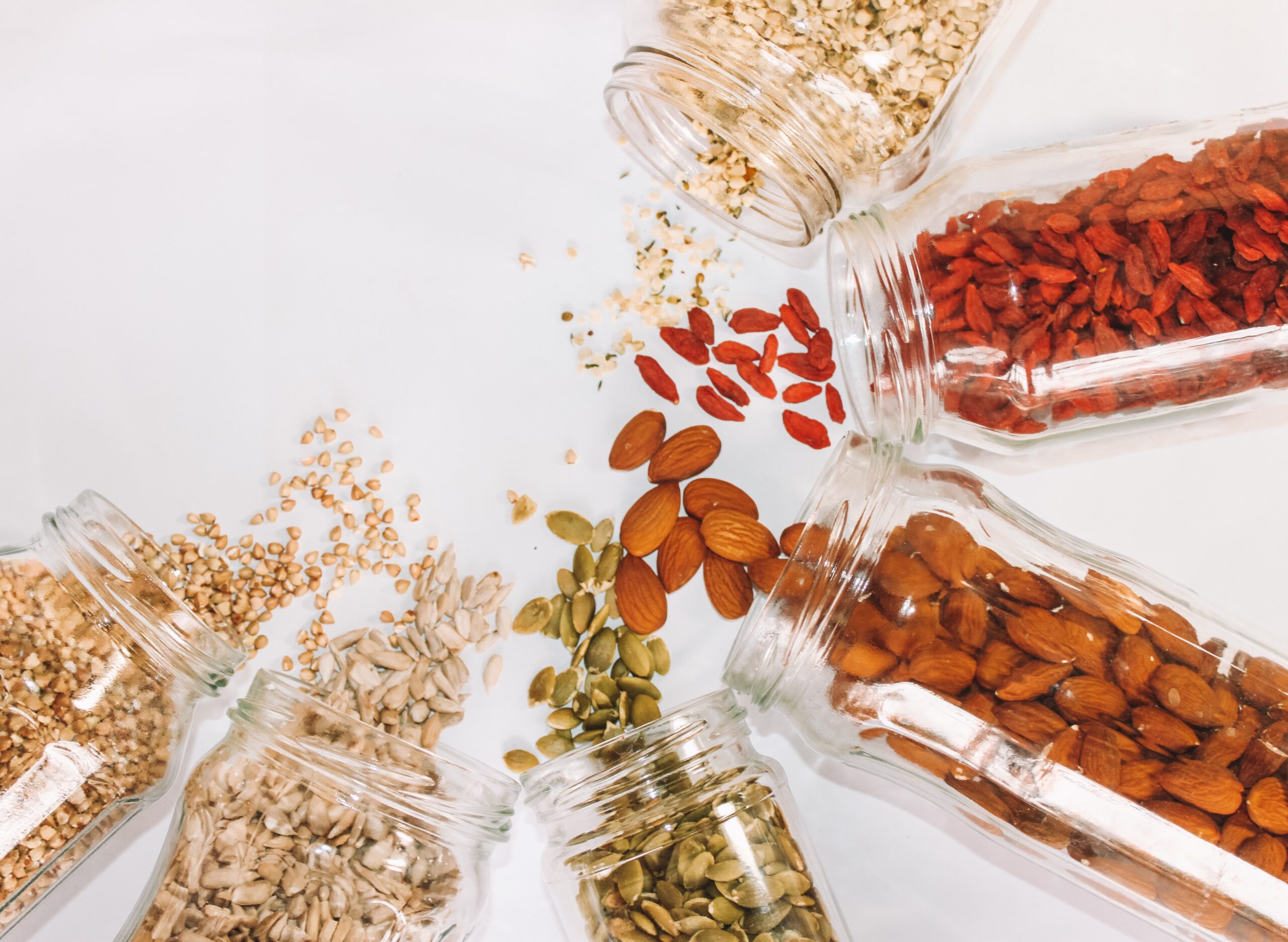
The Chef’s Path Airtight Storage Containers are helpful for dry goods like flour, sugar, rice, pasta, cereal, oats, and snacks. They replace messy open bags and half-used boxes with clear, stackable containers that make shelves look cleaner.
They are also useful for preventing duplicate buying because you can quickly see what is running low.
4. Use the right organizers for problem areas
Some pantry areas get messy faster than others. Deep corners, narrow shelves, loose packets, and produce baskets usually need a little more structure.
A turntable can help with oils and sauces. Door storage can help with snacks and wraps. A produce organizer can help stop onions, potatoes, or fruit from disappearing in bags on the floor.
Best for Corners and Sauces: YouCopia Crazy Susan Turntable Organizer
The YouCopia Crazy Susan Turntable Organizer is ideal for pantry corners, oils, sauces, jars, spreads, and condiments. Instead of moving several items to reach one bottle, you can rotate the organizer and bring everything forward.
This is especially helpful in deep cabinets where smaller jars tend to disappear behind taller items.
Best for Pantry Door Storage: Mefirt Adjustable Over-the-Door Pantry Organizer
The Mefirt Adjustable Over-the-Door Pantry Organizer helps turn unused door space into practical storage. It works well for wraps, snacks, spices, small jars, packets, and lightweight pantry extras.
This is a good solution when your pantry shelves are full but the back of the door is still empty.
Best for Produce: SNTD Rotating Vegetable Organizer
The SNTD Rotating Vegetable Organizer is useful for potatoes, onions, fruit, and pantry-friendly vegetables. It keeps produce visible instead of hidden in plastic bags or scattered baskets.
This helps reduce waste because you are more likely to use fresh items before they spoil when they are easy to see.
5. Label your containers and baskets
Labeling is also an important part of organizing your pantry. You can either buy pre-made labels or make your own using chalkboard labels, washi tape, or a label maker.
Labels help you quickly identify what is in each container, making it easier to find items when you need them. They also help everyone in the house return things to the right place.
For best results, label by category rather than brand. Use labels like “pasta,” “rice,” “baking,” “snacks,” “breakfast,” “spices,” and “canned goods.”
6. Keep a running pantry list
Finally, make sure to keep a running list of what’s in your pantry. This will help you stay on top of what needs to be replenished and prevent overbuying.
You can also use the list to create meal plans so you can use up the ingredients you already have on hand. This is one of the easiest ways to reduce food waste and avoid buying the same items again and again.
A simple note on your phone, a whiteboard inside the pantry door, or a printed checklist can work well.
Final thoughts
Getting your pantry back in order doesn’t have to be a daunting task. Start by taking inventory, remove the excess, group what is left, and use the right organizers only where they solve a real problem.
Once your pantry has clear zones and a simple maintenance routine, it becomes much easier to keep it organized long term.
We highly recommend you watching this video for even more tips on What to Do When Your Pantry Gets Out of Control:
FAQs about fixing a messy pantry
What should I do first when my pantry gets out of control?
Start by taking everything out and checking what you already have. Sort items into categories, throw away expired food, donate unopened items you will not use, and combine duplicates where possible.
How do I stop my pantry from getting messy again?
Create simple categories and give each one a clear home. Use containers, baskets, turntables, or door storage only where they solve a real problem. A quick weekly reset before grocery shopping also helps.
Are pantry containers necessary?
Pantry containers are not necessary for everything, but they are useful for dry goods you use often, such as pasta, rice, flour, sugar, cereal, and snacks. They reduce packaging clutter and make it easier to see what you have.
What is the best way to organize pantry snacks?
Keep snacks in one clear bin, basket, or door organizer. This makes them easy to find and prevents loose packets from spreading across multiple shelves.
How often should I clean out my pantry?
Do a quick pantry check once a week before grocery shopping and a deeper clean every few months. This helps prevent expired food, duplicate purchases, and clutter buildup.
Related reads:


You May Also Like

5 Best Pantry Pull Out Organizers: Buy-Once Picks That Eliminate Food Waste
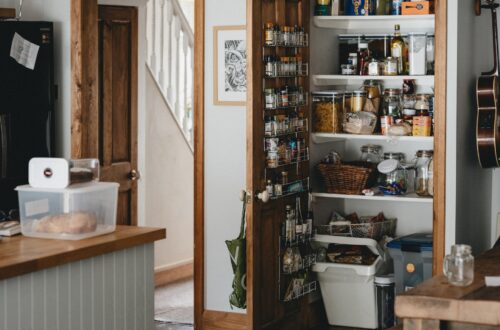
Transform Your Pantry: A Guide to Organizing and Elevating Your Kitchen Space